

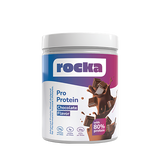
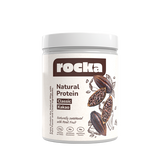







Protein
Protein Supplements
Introduction
Protein shakes have always been a staple for every athlete. Even before the first proper training plan is established, many have often spent a lot on a wide variety of protein supplements. Even today, the protein myth related to strength and muscle building remains (almost) unbroken. This blog aims to help all trainees who are currently uncertain about the proper use of protein shakes. The most important facts will be presented here.
Types of Proteins
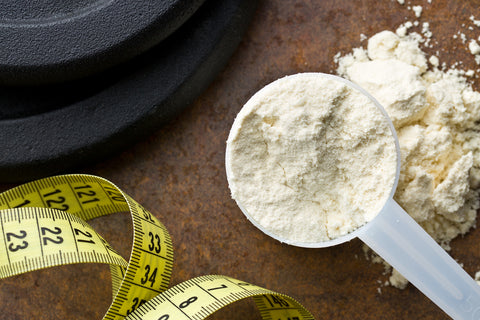
Before describing the specific use, the properties of common market proteins will first be presented: starting with animal proteins and moving to plant-based protein sources. Animal proteins are complete proteins in terms of their amino acid profile and are generally better processed by the body than plant proteins.
Lactalbumin/Whey Protein; what is Whey Protein? This is a whey protein derived from milk. It is probably the most common protein powder. This is partly because it usually offers a good price-performance ratio and is absorbed relatively quickly. There are three main forms of whey protein, which differ mainly in industrial processing: concentrate (standard), isolate (purer), and hydrolysate (considered very pure and therefore often very expensive). Regarding their effects on increasing muscle protein synthesis, the choice of form is secondary as long as the amino acid or protein content consumed is the same [13]. The advantage of Whey Isolate (WPI) over the common concentrate (WPC) is its low fat and lactose content, as seen in ROCKA WHEY ISOLATE. This is especially helpful for people with lactose intolerance and those on calorie-reduced diets. General useful properties of whey protein include:
- the high content of BCAAs, which is higher than in all other protein sources
- the biological value of 104 (the significance of biological value will be explained later); often, especially in products from the USA, a value of 157 is cited in advertising. However, this value refers to the so-called Chemical Score and is completely impractical [6]
- the high content of the amino acids cysteine and glutamine, which can positively affect the immune system and gastrointestinal health
- and the rapid absorption compared to other proteins; especially Whey Isolate is very quickly digestible and very soluble in water and milk, which greatly simplifies preparation.
Casein; what is Casein Protein? Casein forms the main fraction of milk protein (e.g., abundantly found in quark and cottage cheese) and is used at least partially in most protein concentrates. It was one of the first protein sources marketed by the supplement industry in the form of casein protein. Its biological value is 77, significantly lower than that of whey protein. What many trainees may not yet know is that commercial casein products are distinguished between two forms: micellar casein and calcium caseinate, with the main difference lying in their composition. Micellar casein is the form naturally found in cow's milk. As a result, the powder consists of 80% casein and 20% whey protein. Calcium caseinate, on the other hand, is produced through special processing and is completely separated from the other milk components, so it consists of 100% casein. Unlike calcium caseinate, micellar casein clumps in the stomach, which brings some advantages, such as slow digestion, and is therefore often called the "overnight protein" [13]. A disadvantage of casein is often the relatively high lactose content and the very variable raw material quality of casein. Therefore, casein should only be purchased from reputable manufacturers. Rocka Nutrition has paid attention to high-quality raw materials and a very low lactose content (< 1g lactose per 100g) in ROCKA MILK.
Egg Protein is currently rarely offered on the market as a pure protein concentrate. It contains a relatively low amount of carbohydrates and fats, and egg protein can increase tryptophan content, which in turn positively influences the metabolism of the "happiness hormone" serotonin and can thus have a mood-enhancing effect [8]. While this sounds great at first glance, it has a significant drawback: due to technological properties, it is less easy to process. Additionally, the bitter taste can never be completely masked.
Plant-Based Proteins
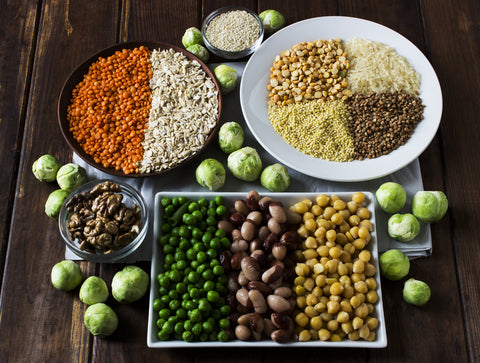
Plant-based protein sources are—as already mentioned—not quite as complete as their animal counterparts. Therefore, combining different protein types is essential to obtain a high-quality protein. However, they also have some advantages, especially regarding their tolerability.
Soy Protein is mostly available today as soy protein isolate. It has a complete amino acid profile. According to the American protein evaluation PDCAAS—which is somewhat controversial—it scores similarly well as casein or egg protein. It also has a high micronutrient profile. However, for years, several negative properties have been discussed in the same breath. The plant estrogens (phytoestrogens) contained in soy are said to disrupt the estrogen/testosterone balance [9]. This only applies if unfermented soy is consumed daily in large amounts. Soy protein isolate does not contain these plant compounds. A disadvantage common to all soy proteins is the low content of sulfur-containing amino acids (methionine and cysteine). However, as long as protein needs are not met exclusively through soy products, this should not be a problem. A bigger issue regarding tolerability is the lectin content, which is also present in soy protein isolate. This could be why some people report digestive problems after consumption [5].
Pea Protein is similar to whey protein in being rich in amino acids (leucine and glutamine) and has very good absorption and low allergenic potential. Therefore, pea protein is especially favored for its good tolerability and high leucine content, which is the key amino acid for stimulating muscle protein synthesis. It is often combined with rice protein to achieve a complete amino acid profile. This high-quality combination forms the basis of THE VEGAN.
Rice protein is (surprisingly) obtained from rice through enzymatic treatment. Due to its good digestibility, it is very stomach-friendly and has low allergenic potential. Therefore, combined with pea protein, it represents a high-quality protein.
Finally, the general advantages of concentrates/isolates are summarized. The advantages are [7]:
- High nutrient density in a small volume
- Specific nutrient spectrum
- No unwanted accompanying substances such as fats, cholesterol, and purines
- Targeted supplementation of sport-specific needs
- Preparation and intake possible anytime and anywhere without much kitchen effort
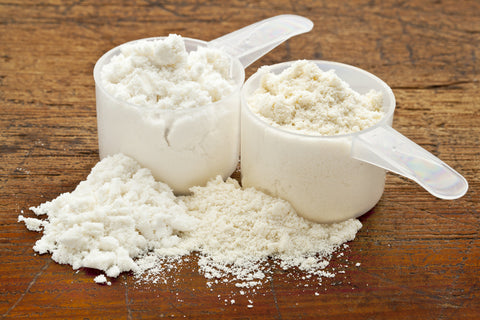
Casein or Whey – Which Protein Is More Suitable?
Both protein types are often mentioned in supplement manufacturers' portfolios, including Rocka Nutrition. But which protein form is more suitable for muscle building? Casein has a lower biological value and contains fewer BCAAs compared to whey. However, pure casein protein, found in foods like cheese and quark, turns into a gel-like mass in the stomach after ingestion and is then slowly passed to the intestines. This causes the amino acid level in the blood to rise more slowly, ensuring a constant supply to the muscles [2]. Therefore, casein can still be considered a nutritionally high-quality protein. Whey protein has a higher biological value, is absorbed relatively quickly by the body, and is easily digestible. The BCAA content is also higher than in casein [2]. Due to the higher leucine content, it is currently discussed whether whey might have a stronger long-term effect on muscle building than casein [14]. However, current data do not allow a definitive statement about which protein form actually provides better regeneration or greater gains in lean muscle mass for athletes. Strategically, regarding good protein supply and high BCAA content, it is advisable to consume whey protein around the training session. Especially about half an hour before exercise, this leads to an increase in blood BCAA levels, which helps spare BCAAs in the muscles. The casein shake, on the other hand, is suitable due to the slower digestibility of the proteins and ensures continuous amino acid supply—especially during longer fasting periods (e.g., sleep). A moderate effect on muscle protein synthesis and inhibition of protein breakdown has been observed [4]. The abundant glutamine also continuously supplies the muscles and helps counteract exercise-induced immune suppression [4]. Some studies currently discuss positive effects from mixing slow and fast protein sources [12]. However, both ROCKA WHEY ISOLATE and ROCKA MILK are well equipped. Ideally, the described timing should be followed to achieve the best possible effects.
Biological Value
Biological value is the generally accepted quality standard for assessing dietary proteins. By classical definition, biological value (BV) refers to the efficiency with which a dietary protein can be converted into body protein [3]. But to what extent should biological value be considered a purchasing criterion? In short— not at all. Although many manufacturers still advertise the high BV of their products, this value can be neglected in practice with a varied diet. Therefore, a casein with a BV of 77 is not necessarily inferior to whey protein with a BV of 104. On the one hand, the methodology for measuring BV is highly controversial, and on the other hand, it should be noted that a protein source is never considered in isolation. As Frank-Holger Acker nicely puts it, as long as protein needs are not met exclusively through gummy bears—which can be assumed for 99% of athletes—a complete protein is created through another source, and thus BV can be neglected [1]. In this context, it can also be briefly mentioned that the recently much-criticized beef protein, usually made from collagen protein, is not inherently problematic. Only the missing amino acid tryptophan needs to be supplemented, which is not an issue with a varied diet. However, this is neither praise nor a purchase recommendation for beef protein. The primary aim here was to question the significance of BV.
Side Effects
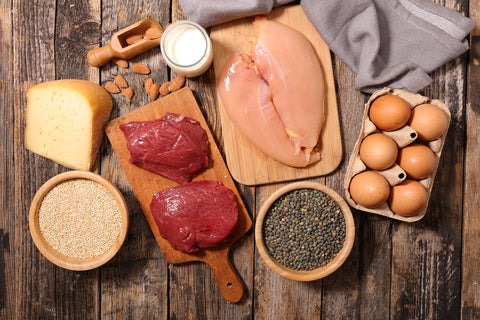
There are often controversial discussions about whether increased protein intake from casein or whey protein causes side effects. However, there is no scientific evidence that increased protein intake harms the kidneys in any way in HEALTHY kidney function [11]. Due to increased urea formation through amino acid metabolism, it is advisable to increase fluid intake to at least 2.5 liters per day. Whey protein is also often asked about for women, as some women report intolerance symptoms such as bloating, water retention, and flatulence after increased whey protein consumption. The exact cause of water retention is still speculative. However, there is evidence that allergic reactions to milk proteins could lead to bloating or that hormones in milk or dairy products induce extracellular fluid shifts. There is better evidence regarding the promotion of fat tissue by milk and dairy products. Since dairy products are rich in branched-chain amino acids leucine, isoleucine, and valine (BCAAs), they—especially leucine—have a significant insulinogenic effect. This also underlies the good regenerative effect of milk protein. However, the positive energy balance must be defined as the main cause here [10]. Another problem with protein powders is that they can cause gastrointestinal issues. Here, reducing protein intake or alternatively using vegan protein powders (e.g., No Whey) is recommended, as they are generally well tolerated.
Conclusion:
Ultimately, everyone should decide for themselves how many different protein powders they keep at home and how often they replace meat or other foods with them. The ultimate training success is not defined by the amount of protein consumed from a can but significantly by the effort put into training. Nevertheless, both ROCKA WHEY ISOLATE and ROCKA MILK are excellent supplements in everyday training. For those who want to avoid animal products or simply cannot tolerate conventional protein types, THE VEGAN with its complete amino acid profile offers an excellent alternative.
References
1: Acker, F.-H. (2016). Iss mal wieder ’ne Scheibe Brot: Warum BCAAs eine biologische Wertigkeit von 0 haben und andere nicht vorhandene Ernährungsprobleme (1st ed.). CreateSpace Independent Publishing Platform.2: Bendtsen, L.Q., Lorenzen, J.K., Bendsen, N.T., Rasmussen, C. & Astrup A. (2013). Effect of dairy proteins on appetite, energy expenditure, body weight, and composition: a review of the evidence from controlled clinical trials. Advances in Nutrition, 4 (4), 418-438.
3: Biesalski, H.K., Grimm, P. & Nowitzki-Grimm, S. (2015). Taschenatlas Ernährung (6th ed.). Stuttgart: Thieme.
4: Boirie, Y., Dangin, M., Gachon, P., Vasson, M.P., Maubois, J.L. & Beau- frère, B. (1997). Slow and fast dietary proteins differently modulate postprandial protein accretion. Proceedings of the National Academy of Sciences of the United States of America, 94 (26), 14930-14935.
5: Brandon, D.L. & Friedman, M. (2002). Immunoassays of soy proteins. Journal of Agricultural and Food Chemistry, 50 (22), 6635–6642.
6: Hamm, M. & Scholz, A. (2005). Musclefood. München: Droemer Knaur.
7: Konopka, P. (2013). Sporternährung. Grundlagen, Ernährungsstrategien, Leistungsförderung (14th ed.). München: BLV Buchverlag.
8: Mohajeri, M.H., Wittwer, J., Vargas, K., Hogan, E., Holmes, A., Rogers, P.J., Goralczyk, R. & Gibson, E.L. (2015). Chronic treatment with a tryptophan-rich protein hydrolysate improves emotional processing, mental energy levels and reaction time in middle-aged women. British Journal of Nutrition, 9, 1-16.
9: Patisaul, H.B. & Jefferson, W. (2010). The pros and cons of phytoestrogens. Frontiers in Neuroendocrinology, 31 (4), 400–419.
10: Piccolo, B.D., Comerford, K.B., Karakas, S.E., Knotts, T.A., Fiehn, O. & Adams, S.H. (2015). Whey Protein Supplementation Does Not Alter Plasma Branched-Chained Amino Acid Profiles but Results in Unique Metabolomics Patterns in Obese Women Enrolled in an 8-Week Weight Loss Trial. The Journal of Nutrition.
11: Poortmans, J.R. & Dellalieux, O. (2000). Do regular high protein diets have potential health risks on kidney function in athletes? International Journal of Sport Nutrition and Exercise Metabolism, 10 (1), 28–38.
12: Reidy, P.T., Walker, D.K., Dickinson, J.M., Gundermann, D.M., Drummond, M.J., Timmerman, K.L. et al. (2013). Protein blend ingestion following resistance exercise promotes human muscle protein synthesis. The Journal of Nutrition, 143 (4), 410–416.
13: Toigo, M. (2014). Muskel Revolution: Konzepte und Rezepte zum Muskel- und Kraftaufbau (1st ed.). Springer.
14: Devries, M.C. & Phillips, S.M. (2015). Supplemental protein in support of muscle mass and health: advantage whey. Journal of Food Science, 80 Suppl 1, A8-A15.