








The 10 Best Vegan Protein Sources
Why vegan protein sources are important
More and more people are choosing a vegan diet—whether for health, ethical, or sustainable reasons. Plant-based foods are versatile, healthy, and provide many nutrients. But one topic is especially in focus: protein supply in a vegan diet.
The prejudice that vegans consume too little protein persists stubbornly. The truth is: plant-based protein sources do not always contain all essential amino acids in sufficient amounts. Therefore, it makes sense to combine different foods.
Aim for the upper end of the recommendation for the active and sports-oriented population: 1.6 to 2.5 g of protein per kg of body weight. This ensures your body is optimally supplied—whether for muscle building, during a diet, or for healthy nutrition.
Since many plant-based foods contain little protein relative to carbohydrates and fats, vegan protein powders and protein bars can be a practical supplement.
The 10 Best Vegan Protein Sources
Legumes
Legumes include, for example, beans, peas, and lentils. For a purely plant-based diet, they are virtually indispensable because, besides a good amount of protein, they also provide many fibers and B vitamins. For example, 100 grams of cooked chickpeas have over 6 grams of protein but only 120 kilocalories and can be very well used in vegan fitness cooking.
Additional tip: Pureed legumes are also a great base for healthy cookies or cakes!
Pseudocereals
Pseudocereals resemble traditional grains like wheat and spelt in their preparation and use. Quinoa is one of them and is popular not only because of its protein content of 15 grams per 100 grams but also because of its versatile uses. It is also gluten-free and can be consumed even with gluten intolerance.
Soy yogurt
Soy yogurt is a real all-rounder among vegan products because in its unsweetened form, it can be prepared both sweet and savory. With under 50 kilocalories per 100 grams but 4 grams of protein, it can optimally help meet the daily protein requirement. Additionally, soy yogurt usually contains added calcium, making it a very good substitute for dairy products.
Nuts
Nuts must not be missing in our list of vegan protein sources. Peanuts, for example, provide 29 grams of high-quality protein per 100 grams along with many micronutrients like B vitamins and magnesium. It should be noted that nuts are also very calorie-dense due to their high fat content. Depending on calorie needs, they should therefore be consumed only in small amounts if necessary. Note: To benefit from the positive properties of nuts, use them best in their natural form or use nut butter that contains no added fats or sugars.
Seeds
Sunflower seeds, almonds, hemp seeds, pumpkin seeds, and so on... The variety of seeds and kernels is so huge that they can be very versatilely integrated into a plant-based diet. Pumpkin seeds, for example, contain 47 percent fat and also help cover iron needs, which is very important in a meat-free diet. For seeds and kernels, as with nuts, despite their positive properties, they are very calorie-dense, which should be considered in a calorie-reduced diet.
Seitan
is mostly wheat protein, also known as gluten. Those with gluten intolerance must avoid this protein source. Everyone else can enjoy the above-average high protein content of 28 grams per 100 grams and buy the meat substitute product in various forms: whether pure seitan, seitan sausage, or even seitan steak.
Tofu
Tofu is probably the most popular meat substitute, known even to most meat eaters. With 14 grams of protein per 100 grams, tofu is a very valuable protein source for vegetarians and vegans. Tofu is made from soy milk and thus also provides the same health benefits, such as a high content of calcium and magnesium. Tip: Tofu is now available in many varieties, such as smoked, with herbs, or seasoned in an oriental style.
Spinach
Spinach is one of the most protein-rich vegetables. Due to its very low calorie density, you can eat plenty and benefit from the 3 grams of protein per 100 grams. Spinach also scores with its antioxidants and, compared to other vegetables, a relatively high iron content.
Vegan Protein Powders
Modern vegan protein powders make it especially easy to meet your protein needs. The selection at rocka is large:
-
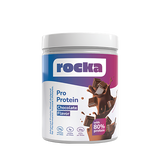
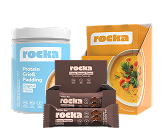
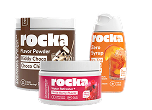
Protein Shake – creamy, delicious, and with at least 20 g of protein per serving. Made from up to 5 plant-based protein sources, optimal solubility, whey quality in vegan form.
-
Protein Coffee – combination of coffee & protein. With real coffee extract, up to 80 mg caffeine, and at least 20 g protein. Perfect hot or ice cold.
-
Clear Protein – refreshing drink with 70% protein, fruity flavor, and zero sugar. Ideal for dieting & training.
-
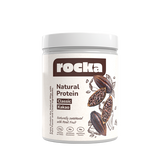
No Whey Pro – the premium alternative to whey isolate. With up to 86% protein, optimized amino acid profile modeled after its animal counterpart, and vitamin B12.
-
Protein Matcha – green delight with 20 g protein and 65 mg caffeine from high-quality green tea extract. Perfect for energy & protein in one.
-
Protein Soup – savory alternative to shakes. 20 g protein per serving in flavors like curry or tomato, also usable as a protein sauce.
Protein bars & protein snacks
For on the go, vegan protein bars are the ideal solution:
-
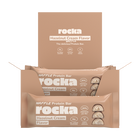
Protein Bar – up to 27% protein, no added sugar, and still as delicious as a chocolate bar. With crunchy chocolate and high-quality plant proteins.
-
Waffle Protein Bar – crispy waffle with creamy filling, no added sugar, and up to 26% protein. Perfect for a sweet moment without guilt.
Snack idea: chill (Waffle) Protein Bar in the fridge – even crunchier & refreshing.
Recipe ideas for your vegan protein day
A vegan meal plan can be flexibly adapted to your own goals – whether losing weight, building muscle, or maintaining weight. The most important thing is to plan the right amount of protein to cover all essential amino acids.
A practical help is provided by the Calorie and Macro Calculator from Rocka. There you can individually calculate how high your daily calorie requirement is and which macronutrient distribution (protein, carbohydrates, fats) is optimal for your goal.
With a combination of classic vegan protein sources like legumes, tofu, or seitan and modern products like Protein Shake, Clear Protein, or Protein Bar, the requirement can be easily met.
Example of a daily plan with different protein sources:

Breakfast: Berry protein porridge
Ingredients:
- 45 grams oats
- 30 grams Protein Shake Vanilla Ice Cream
- 100 grams raspberries
- 15 grams almond butter
Nutritional values
Calories: 432 kcal; Protein: 34 g; Fat: 13 g; Carbohydrates: 37 g

Lunch: Quinoa-chickpea pan with seitan
Ingredients:
- 150 grams chickpeas (canned)
- 30 grams quinoa (raw) 150 grams
- Seitan 150 grams bell pepper
- 150 grams frozen spinach
- 50 ml soy milk light
Nutritional values
Calories: 582 kcal; Protein: 63 g; Fat: 8 g; Carbohydrates: 56 g

Dinner: Topped whole grain bread
Ingredients:
- 30 grams avocado
- 30 grams tofu
- 200 grams soy yogurt
- 10 grams pumpkin seeds
- 20 grams peanuts
Nutritional values
Calories: 478 kcal; Protein: 26 g; Fat: 27 g; Carbohydrates: 27 g
This way, you can put together varied meals that satisfy you, taste delicious, and at the same time ensure your protein supply in a vegan diet. And if hunger strikes in between, just reach for a Protein Shake or one of our Protein Bars – practical, tasty, and rich in protein.
Conclusion
A vegan diet does not mean you get too little protein. With the right vegan protein sources and a combination of legumes, tofu, nuts, seeds, and modern vegan protein powders, you can easily meet your protein needs. It is important to combine different plant-based protein sources to ensure all eight essential amino acids are sufficiently covered. It certainly requires better planning, but with the right preparation, there is nothing against a purely plant-based diet – not even for strength athletes.
Especially practical: Protein Shakes, Clear Protein, Protein Soup, or Protein Bars make it easy to get enough protein even in a busy daily routine – tasty, varied, and 100% plant-based.