









Fitness Miracle Coconut Oil
New superfoods regularly trigger hype among fitness bloggers, health fanatics, and passionate athletes and are often hailed as cure-alls thanks to their supposed superpowers. Coconut oil is also considered an absolute staple and ranks very high on the hype scale. But unlike the trendy goji berry or chia seeds, this apparent miracle is actually not new. The good, well-known coconut oil has been used for many years all over the world in every imaginable area of life. Whether as a healthy frying fat, baking ingredient, hair oil, skincare product, popular diet product, or in a Bulletproof Coffee.
Here’s where you can use coconut oil everywhere:
- as a healthy, heat-resistant fat for frying (alternative to olive oil, sunflower oil, etc.)
- as a baking ingredient for a smooth dough
- natural beauty aid for smooth skin and shiny hair
- as a natural sweetener
- as a vegan spread (as an alternative to margarine and butter)
- as a base for Bulletproof Coffee (energy coffee made from a butter-oil mixture)
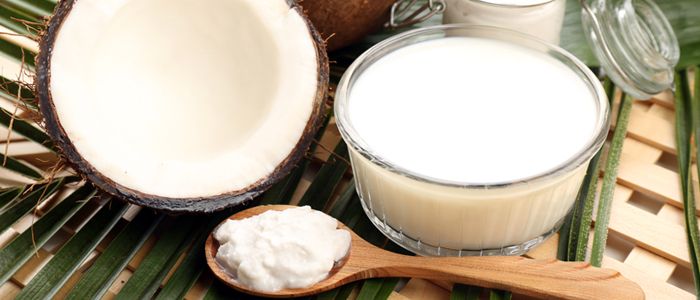
But does this exotic miracle really live up to its reputation and make the impossible possible? Can a single oil really combine digestible fat, healthy sweetness, and a beauty weapon all in one? And all of this – as it should be – naturally vegan and, if possible, in the best organic quality? So you don’t have to fight your way through the jungle of information alone, we have compiled the most important facts about the hotly debated coconut oil for you in this article. Let’s start with a brief introduction to this exotic wonder child.
Coconut Oil – Origin of the Exotic
The fact that coconut oil is much more than a hyped superfood trend can be seen in the long traditional history of this exotic oil. Coconut palms have been cultivated in the Malay Archipelago for 3000 to 4000 years. However, coconut plantations only gained economic importance in the 19th century. Today, the coconut palm is grown worldwide in tropical zones – such as Indonesia, the Philippines, and India – along coasts or riverbanks. With increased demand, the use and thus coconut production have naturally risen significantly.
And how is actual coconut oil made from the coconut palm? First, the fruits, the well-known coconuts of the coconut palm, are harvested. The flesh – also called copra – is then chopped and dried. Afterwards, an oil mill is used to press the coconut oil from the dried flesh. If the oil is to be used later as cooking fat, it is refined and deodorized. A special advantage lies especially in the long shelf life of the finished oil, as it can be stored for one to two years when refrigerated.
The different consistencies of coconut oil
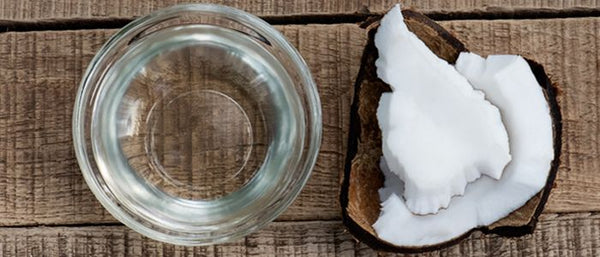
In terms of consistency, coconut oil is almost like a chameleon. At normal room temperature, it is white and solid, similar to butter. At hot outdoor temperatures – think really warm summer days – or in the pan, it becomes liquid and almost transparent.
After clarifying where coconut oil originates, we are naturally interested in the burning question of what actually makes this liquid gold so interesting. One thing is clear: when it comes to coconut oil, the promises are big! But are they all really justified? How healthy is the oil actually?
Healthy fat – What makes coconut oil so valuable
The next section will focus on what makes this exotic fat so valuable that it has sparked a real hype. Primarily, the popularity of coconut oil can be explained by the fact that it is one of the healthiest fats overall. This miracle oil is also used for a wide variety of applications and is a true all-rounder in the kitchen and bathroom. Rarely has a plant oil scored so well with its internal and external applications.
The most important ingredients: What’s inside the super oil of the coconut
- Coconut oil consists of over 90 percent saturated fatty acids
- it has a particularly high lauric acid content, about 50-60%
- stimulates fat metabolism and inhibits the growth of viruses, bacteria, and fungi (it therefore acts antibacterial)
- it mainly consists of triglycerides that contain saturated fatty acid residues
- Coconut oil contains traces of valuable minerals, important amino acids, B vitamins, vitamin E, and selenium
- CAUTION: when coconut oil is refined, vitamin E and important trace elements are lost, resulting in reduced quality
- BENEFIT: natural coconut oil is easy to digest; your body does not need fat-splitting enzymes or bile for digestion.
- Coconut oil is therefore often used in endurance sports as a supposedly quick, easy-to-digest energy source
Are saturated fatty acids not part of the "bad" fats?
A very valid question, because for a long time it was assumed that saturated fatty acids, like those found in butter, milk, dairy products, and meat, were consistently bad for health. Many studies have suggested that saturated fatty acids lead to increased blood fat and cholesterol levels and even raise the risk of heart attack and stroke. A large-scale study from 2015 investigated the relationship between saturated fatty acids and the risk of heart attack, vascular diseases, and overall mortality. The researchers ultimately concluded that there is no link between saturated fat intake and subsequent heart attacks or overall mortality.
GOOD TO KNOW: Medium-chain saturated fatty acids – specifically medium-chain triglycerides (MCT) – can even help normalize elevated blood fat levels and reduce body fat percentage because they can stimulate the body's own fat metabolism. Therefore, your prejudices against saturated fatty acids – especially those in coconut oil – should be a thing of the past.
So, can you confidently consume any fats without worry? No! You definitely need to watch out for trans fats, a subgroup of unsaturated fatty acids. Trans fats are considered harmful and are mainly found in processed foods, sweets, and anything fried. They are suspected not only to harm your figure but also your blood vessels, heart, and even your brain. Therefore, you should avoid excessive consumption of industrially processed fats – sure, fries, pizza, and sweets taste good, but they should not make up the majority of your diet.
Note: Although coconut oil mostly consists of saturated fatty acids, it can have a positive effect on your health and rewards you with numerous benefits.
In short: These are the benefits coconut oil can have on your health.
- Coconut oil increases energy expenditure and boosts fat oxidation.
- It provides you with many valuable nutrients such as vitamins and trace elements.
- Coconut oil is easy to digest and well tolerated.
- Regular consumption of coconut oil may help normalize elevated blood values.
- Coconut oil can kill cavity-causing bacteria in the mouth and thus help prevent the development of cavities.
The story behind it – really important when a new superfood is about to take off – is also true for coconut oil. The key success of this tropical oil began in the 1960s with New Zealand researcher Dr. Ian Prior. He conducted the “Pukapuka Study,” named after a Polynesian island. There he found a previously unknown island population that mostly lived on fresh coconuts and coconut oil. The twist in the story: the research showed that the high consumption of coconuts and coconut oil apparently kept most of the island inhabitants healthy. Dr. Prior attributed this extraordinary health condition to the ingredients of the coconut.
Summary: What does the conducted “Pukapuka Study” show?
- the studied island population showed an almost perfect state of health
- almost all had an ideal body mass index and hardly any lifestyle diseases
- tooth decay and cavities were virtually unknown on the island
- Island inhabitants had low body fat and good blood lipid levels despite high fat consumption from coconut oil
IMPORTANT: It should definitely be added here that the general living conditions of the island inhabitants studied also influence the study results. Therefore, you should consider that the consumption of natural foods – which were abundant on the isolated island – is a crucial factor in evaluating the study. In combination with daily consumption of coconut oil, this results in an ideal body mass index and low body fat percentage despite – or precisely because of – the increased fat intake.
These and many other studies show that the exceptional components of coconut oil offer many health benefits for you. Medium-chain fatty acids, many vitamins, valuable minerals, amino acids, and antioxidants – these are the clear benefits contained in high-quality coconut oil.
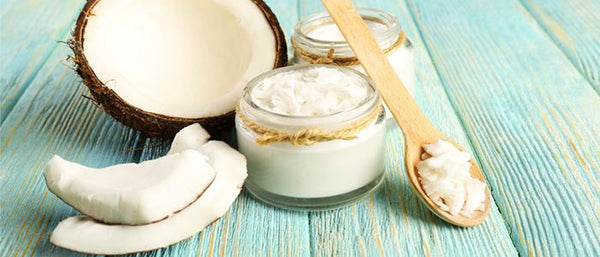
By the way: Did you know that raw, untreated coconuts are among the healthiest and most nutrient-rich foods? The virgin coconut oil derived from them is considered one of the healthiest oils available.
Our conclusion: Is the hype around coconut oil justified?
Unlike some other hyped superfoods, coconut oil can truly deliver on its promises. The valuable ingredients of this tropical oil not only have positive effects on health but also complement your skin and hair care effectively. Thanks to its versatile uses, you can use coconut oil ideally incorporate into your diet plan. Use it as a healthy fat for frying, create delicious baked goods, or exotic wok dishes.