








Boost fat burning:
Your guide to protein fasting
Eat like an emperor in the morning? This old advice is biologically outdated—at least if your goal is fat burning. There is evidence that a protein-rich breakfast (e.g., a shake) is more satiating than a meal high in carbohydrates and thus helps you stay in a calorie deficit more easily.1
More and more people swear by protein fasting in the morning. And for good reason: more protein can make it easier for you to eat fewer calories while protecting your muscles. In the end, what really matters for fat loss is one thing: that you consistently consume less energy than you burn.
But many make a crucial mistake that ruins the effect or causes them to fail as early as 10 a.m. Here you’ll learn how to ride the morning fat-burning wave properly without feeling hungry.
Contents
The biological "sweet spot" in the morning
The problem: Why pure fasting often backfires
Your morning protocol (The Shape Fast)
Conclusion: Work with your body, not against it

The biological "sweet spot" in the morning
When you wake up, your body is in a unique state:
- Your insulin level is at its lowest point (perfect for fat loss).
- Your cortisol level is naturally elevated (mobilizes energy).
If you now eat a classic breakfast with bread rolls, muesli, or other sugars, your insulin spikes. This can temporarily slow down fat release.1 In the long term, however, your calorie balance and overall nutrition are what really matter.
The goal of protein fasting is to artificially extend this fasting state while still supplying the body with amino acids to protect muscle mass.
The problem: Why pure fasting often backfires

The problem with complete fasting (intermittent fasting) is often the body’s stress response. Studies show that skipping breakfast can disrupt the cortisol rhythm and chronically elevate it.2 Without nutrients, the body releases more stress hormones to stabilize blood sugar. Your body can thus be exposed to chronic stress. The result: you feel restless inside ("hangry") and your body craves quick energy. This often leads to losing control at lunch and eating twice as much.
A protein-rich, low-sugar breakfast keeps you full for a long time, nourishes your muscles, and stabilizes your blood sugar levels.
Your morning protocol (The Shape Fast)
To sustain protein fasting long-term, you need a ritual that works. Here is the protocol we recommend:
Phase 1: Hydration (07:00 – 08:00)
Drink 0.5 liters of water immediately after waking up. Your metabolism needs fluids to get started at all.
Phase 2: Nutrients without insulin spike (08:00 – 11:00)
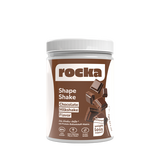
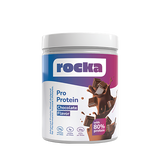
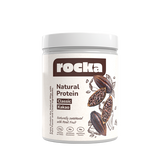
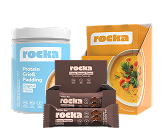
This is where the strategic use of the Shape Shake comes in. Instead of a normal breakfast or a pure protein shake (which is usually digested too quickly to keep you full), you use the combination of protein and fiber here.
- The advantage: You supply your body with protein (muscle protection) but no significant amount of carbohydrates. Your body stays in "fat-burn mode."
- The difference: Thanks to the included glucomannan, you still have something in your stomach. You avoid the empty, weak feeling many hate when fasting. You stay full and focused while your metabolism keeps running.
Pro tip: Drink it warm. A warm drink in the morning soothes the stomach and replaces the feeling of a warm porridge or cocoa for many.
Phase 3: "Break Fast" (from 12:00)
At noon, you break the fast with your first solid meal. Since your blood sugar has remained stable, you will notice less cravings at lunch and make more relaxed choices.

Conclusion: Work with your body, not against it
Protein fasting is not deprivation but intelligent timing. You use the hormonal advantages of the morning without feeling hungry. The Shape Shake is your tool: it turns a demanding diet method into a simple, cozy morning routine.
Start your protein fasting ritual here
Sources
1 Baum, J. I., et al. (2011). A higher protein breakfast promotes satiety and improves metabolic profile. Obesity, 19, S106. & Oliveira, C.L.P., et al. (2021). Consumption of a High-Protein Meal Replacement Leads to Higher Fat Oxidation, Suppression of Hunger, and Improved Metabolic Profile After an Exercise Session. Nutrients, 13(1), 155.
2 Witbracht, M., et al. (2015). Female breakfast skippers display a disrupted cortisol rhythm and elevated blood pressure. Nutrients, 7(8), 6558-6569.