





Weight Loss Injections & GLP-1: Why Nutrition Is the Key to Sustainable Success
Contents
The Boom of Weight Loss Injections
Diet Change: Protein as a Key Factor
The Boom of Weight Loss Injections
Ozempic, Wegovy, Saxenda, or Mounjaro – weight loss injections are currently one of the most discussed topics when it comes to losing weight.
Originally developed to treat type 2 diabetes, weight loss injections promise quick success on the scale and at the same time create a real hype on social media and in real life.
But what is actually behind it?
GLP-1 is a natural hormone in the body that, among other things, regulates blood sugar levels and influences the feeling of fullness.
The medications mimic this effect:
- appetite decreases
- the stomach empties more slowly
- feeling of fullness sets in faster
- so-called “food noise” (constant thoughts about food) can be reduced
Sounds ideal at first – and that exactly explains the enormous popularity: losing weight without the classic sacrifice.
GLP-1 medications help many people eat less and lose weight more easily.
The result: Many people automatically consume fewer calories – and thus lose weight. No wonder these medications are so popular right now.

Diet Change: Protein as a Key Factor
The Big Risk: Muscle Loss Instead of Fat Loss
Less appetite usually also means: fewer calories – but also fewer nutrients.
The result?
The body not only attacks fat reserves but often also breaks down valuable muscle mass, which is mainly due to the following points:
- Too little protein intake
- General nutrient deficiency
Muscle loss is not just a visual issue but has direct effects on your body:
- Poorer body composition → “skinny fat” effect
- Yo-yo risk after stopping the medication
- Keyword: “Ozempic face” – a sunken, tired appearance due to rapid weight loss and lack of structure
If you lose weight with GLP-1 medications, one nutrient is especially important: protein.

Protein protects your muscles from breakdown and supports the natural feeling of fullness.
During a diet, you should therefore consume about 1.5 – 2.2 g of protein per kg of body weight.
Protein is not just a macronutrient – it is your most important protective mechanism against muscle loss.
Less appetite sounds practical at first but often makes it harder to properly nourish your body in everyday life. This is exactly where conscious countermeasures are important:
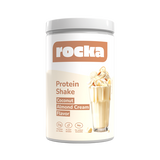
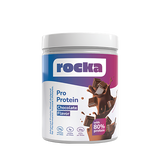
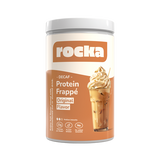
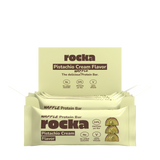
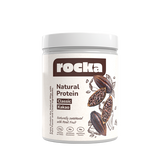
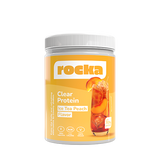
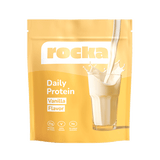
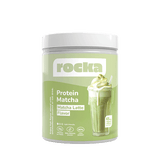
Focus on protein-rich, nutrient-dense meals, even if the portions are smaller. Protein shakes can be a simple and effective supplement to meet your needs.
At the same time, keep an eye on your micronutrients. Eating less often means fewer vitamins and minerals – targeted supplementation can be helpful here, which we discuss in the second part of the blog post.

Conclusion
Weight loss injections can support you on your journey – but they do not replace conscious nutrition.
What matters is how you manage the weight loss: with enough protein, targeted nutrient supply, and exercise.
Only then will rapid weight loss become a sustainable result.